
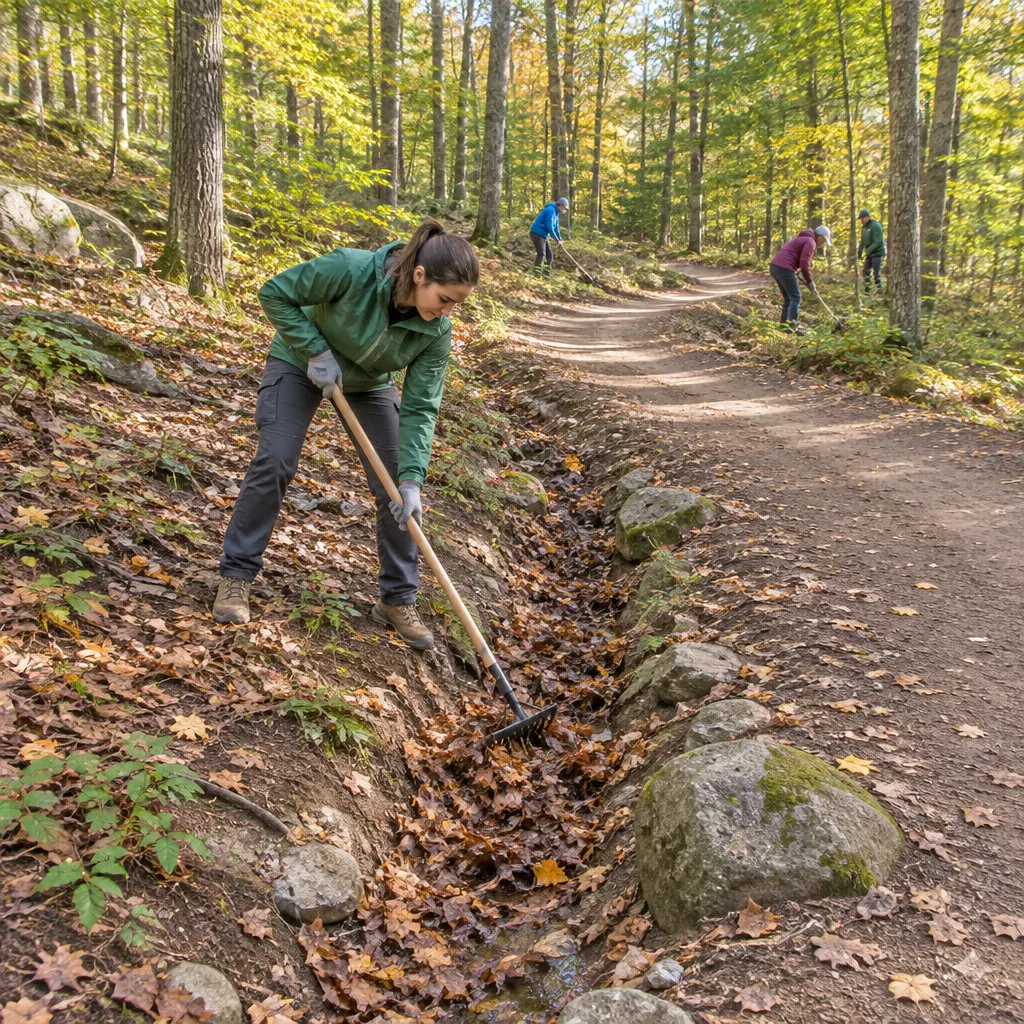
Community stewardship models are organized ways for riders to turn their enthusiasm for trails, bike parks, and other shared riding places into trained, dependable volunteer work. They connect local knowledge
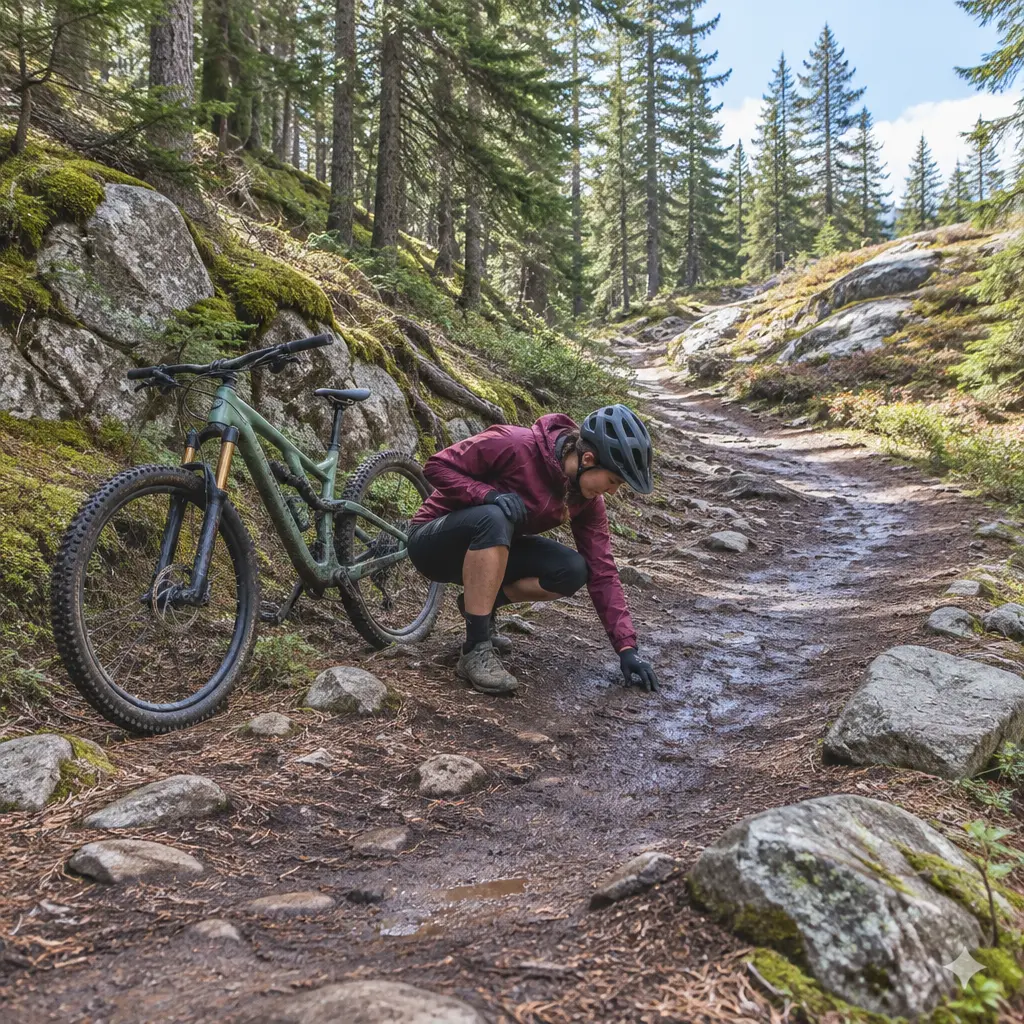
Ride Planning Intelligence Interpreting Recent Weather Impact On Trail Surface ConditionsRide Planning Intelligence Interpreting Recent Weather Impact On Trail Surface Conditions
Mountain-bike trail conditions are the physical properties of a riding surface—such as moisture, firmness, traction, and erosion risk—that shape safety and ride quality. Recent weather helps riders estimate those properties,

Risk Management Frameworks Distinguishing Calculated Exposure From Reckless GamblingRisk Management Frameworks Distinguishing Calculated Exposure From Reckless Gambling
Risk management frameworks distinguish calculated exposure from reckless gambling by making uncertainty, potential loss, and decision limits explicit before action is taken. In finance and other high-stakes settings, a risk
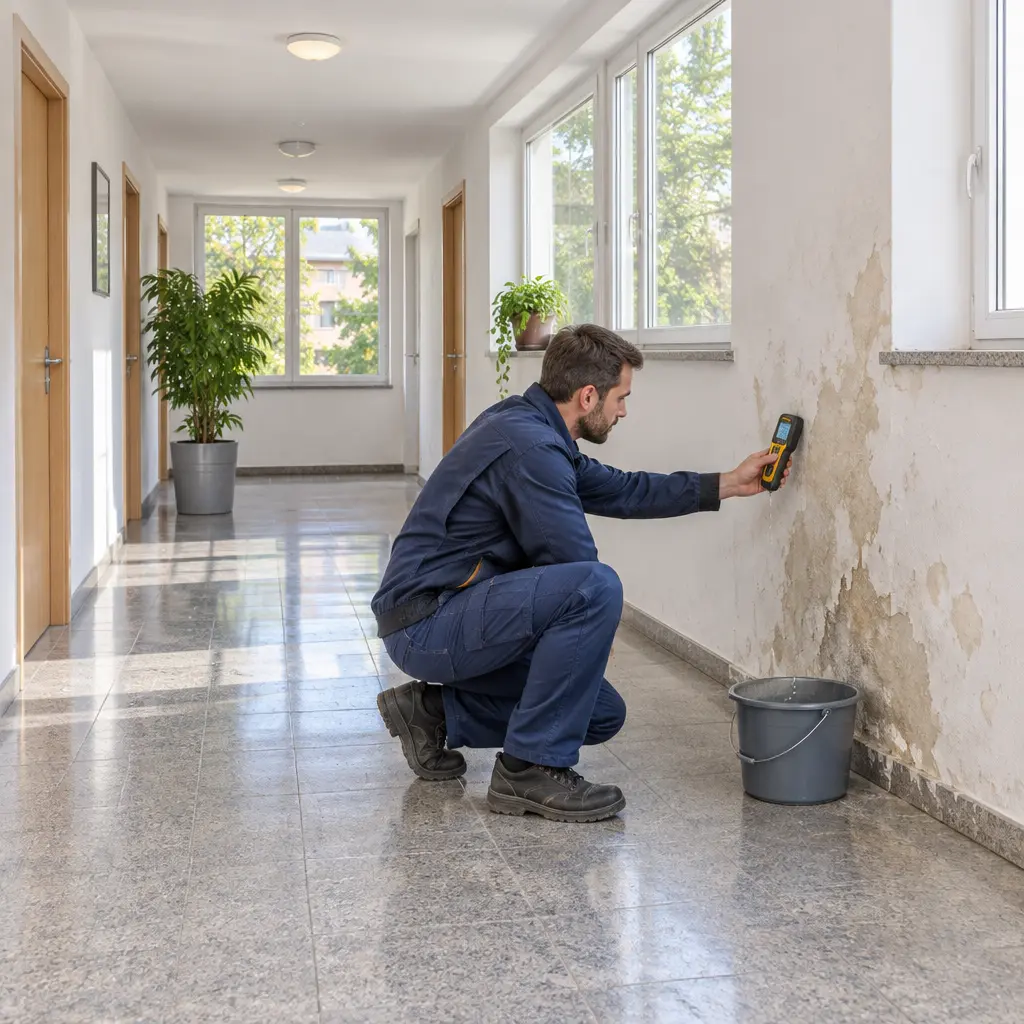
Maintenance Triage Protocols Prioritizing Water Damage Repair Over Cosmetic GroomingMaintenance Triage Protocols Prioritizing Water Damage Repair Over Cosmetic Grooming
Water-damage triage is the process of identifying, stopping, and repairing water intrusion according to its risk to people, building materials, and property; cosmetic grooming covers lower-urgency work such as paint
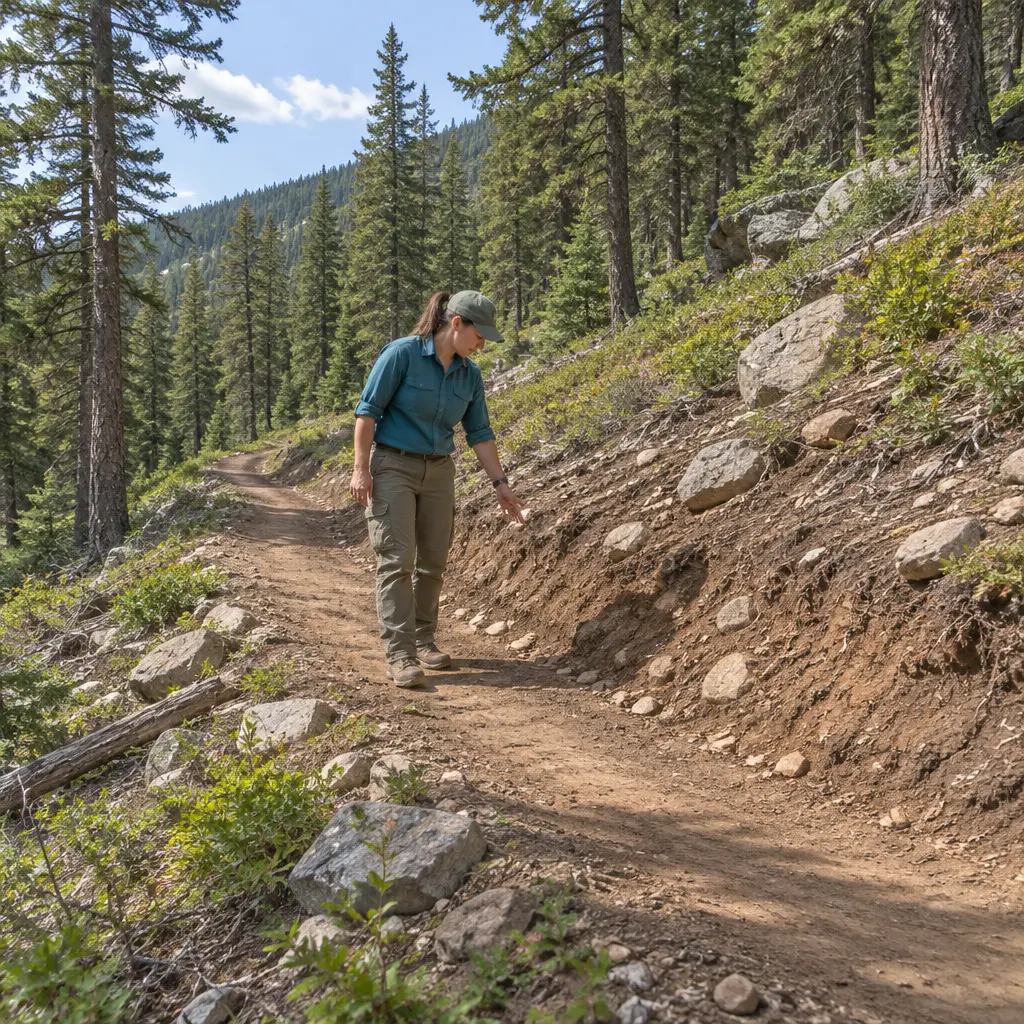
Sustainable Trail Building Principles Aligning Gradient With Soil Drainage CapacitySustainable Trail Building Principles Aligning Gradient With Soil Drainage Capacity
A sustainable trail is a route designed to carry users while limiting erosion, runoff, habitat disturbance, and long-term maintenance. Its gradient—the trail’s slope—must suit the soil’s capacity to absorb and
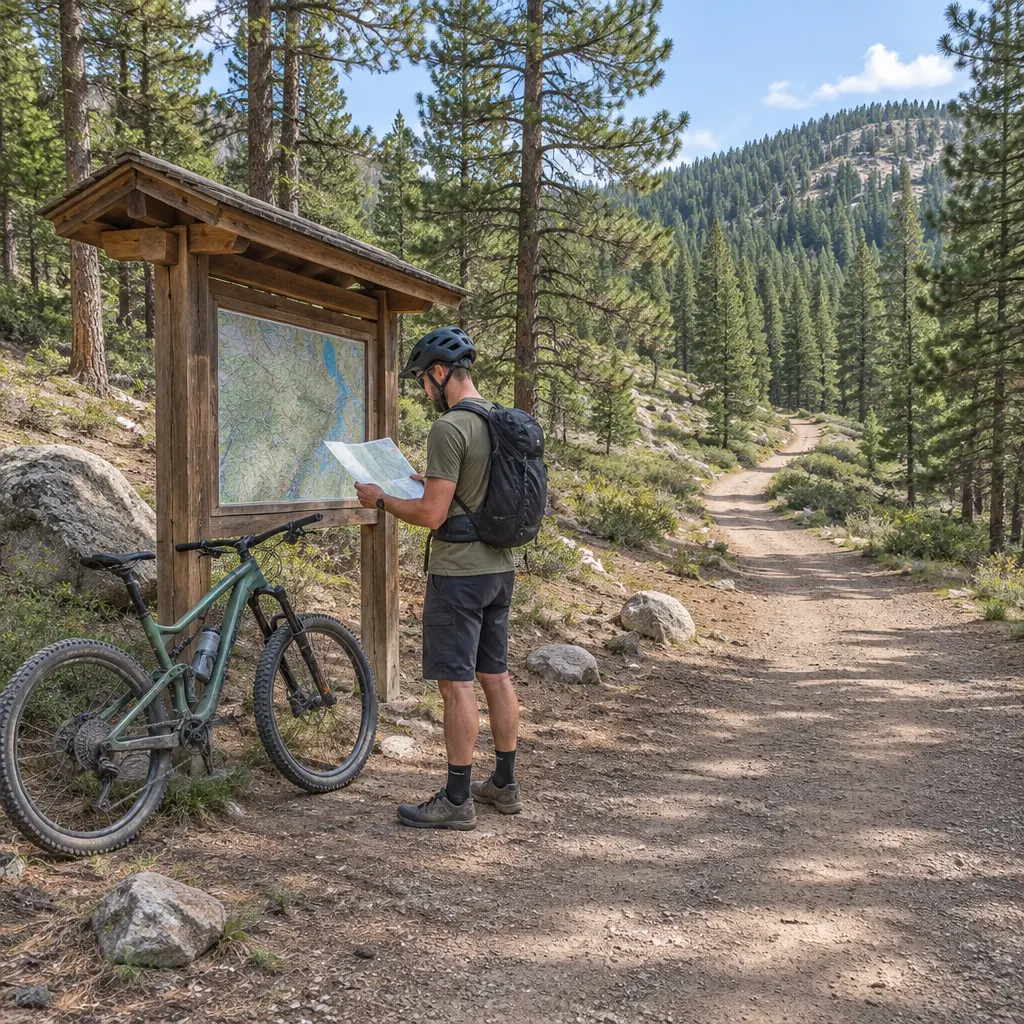
How to Read a Trail Before You Ride ItHow to Read a Trail Before You Ride It
Reading a trail before riding means using maps, signs, terrain, weather, and current local information to judge whether a route suits your abilities and conditions. The International Mountain Bicycling Association
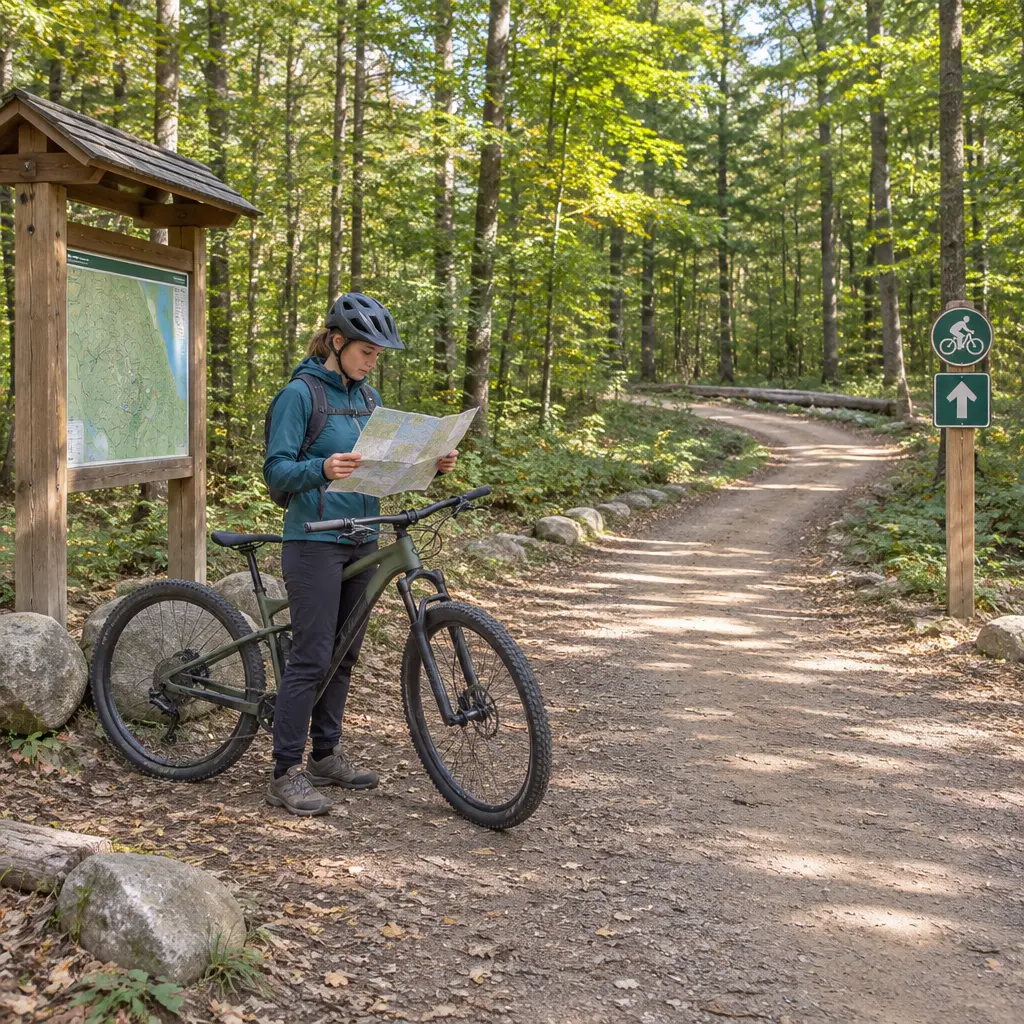
Planning Your First Mountain Bike Trail RidePlanning Your First Mountain Bike Trail Ride
A first mountain bike trail ride is a planned off-road outing on a route suited to your skills, fitness, and equipment. A good first ride is not about covering the
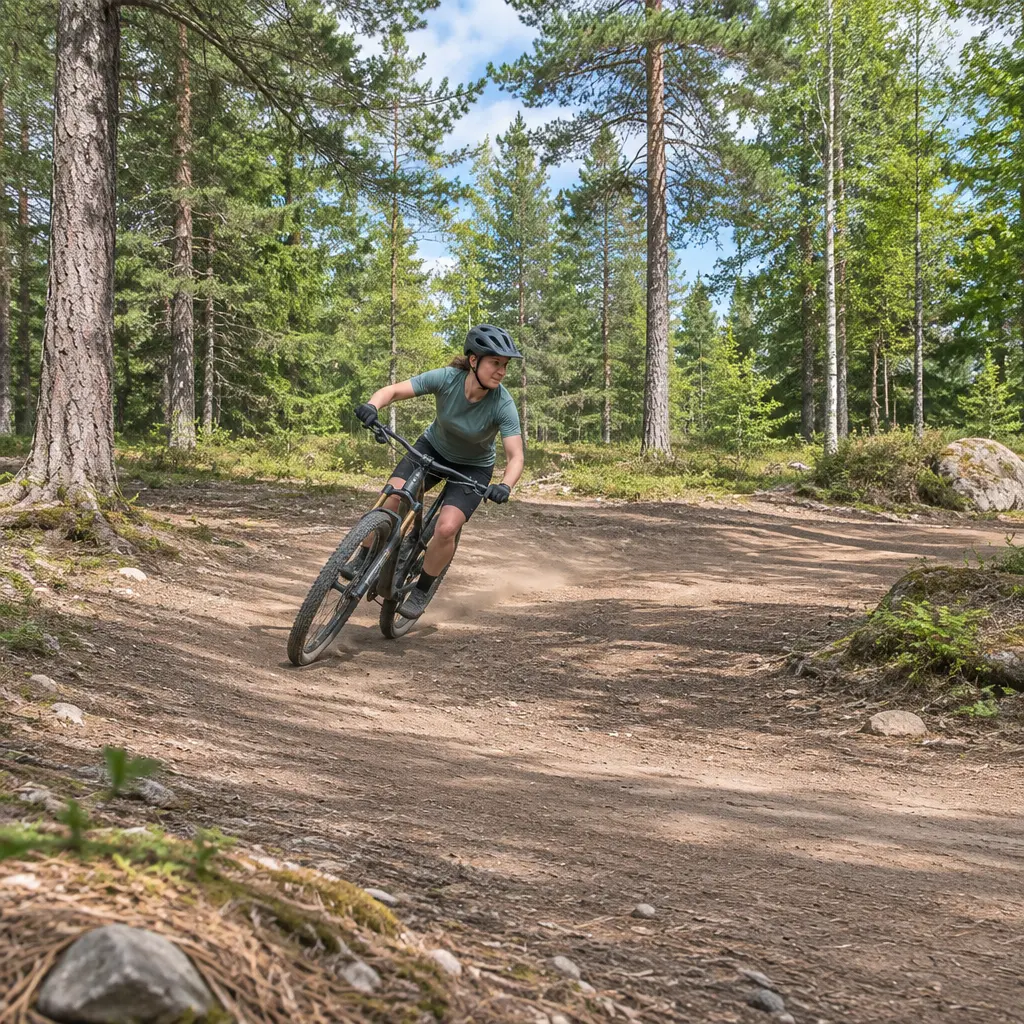
How to Practise Mountain Bike Skills EffectivelyHow to Practise Mountain Bike Skills Effectively
Mountain bike skills practice is the deliberate, progressive repetition of riding techniques in conditions that help build control, confidence, and sound judgment. The most effective approach is to practise one
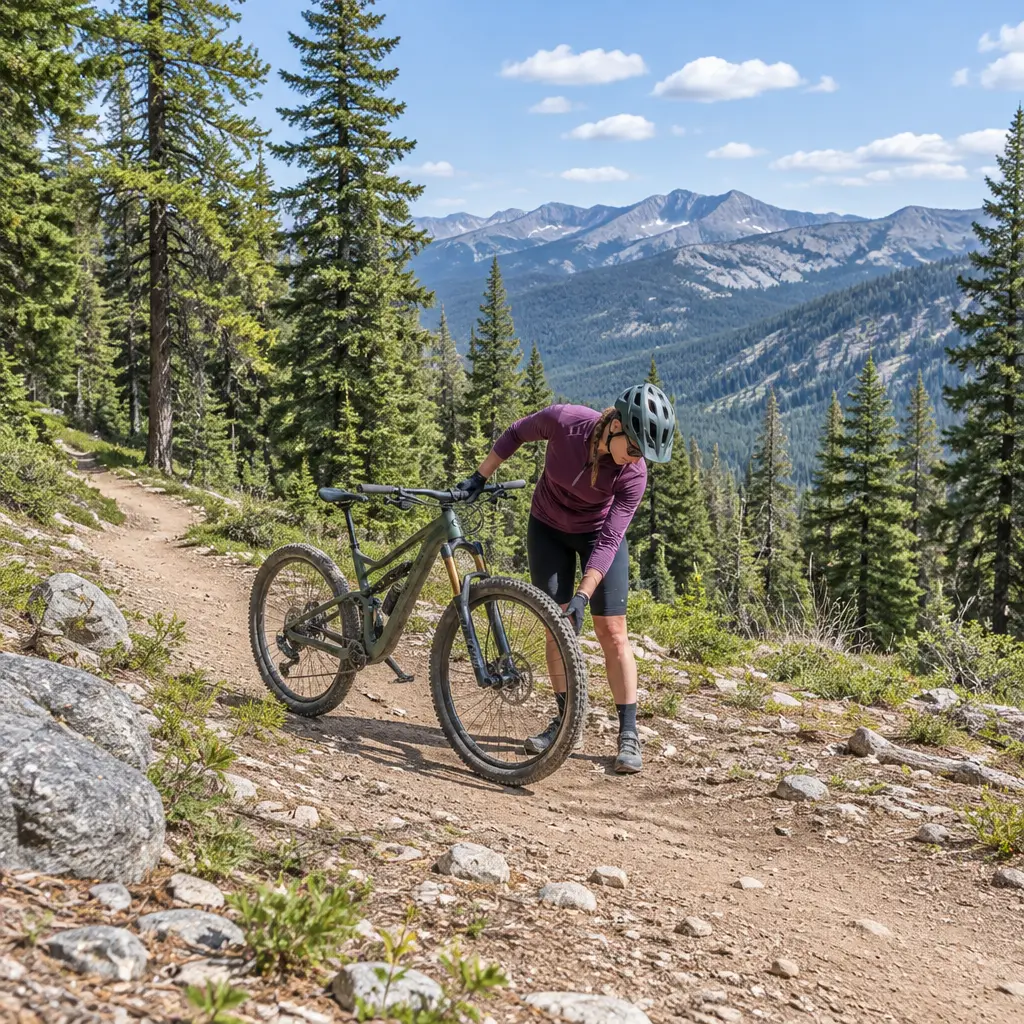
Common Mountain Bike Injuries and How to Avoid ThemCommon Mountain Bike Injuries and How to Avoid Them
Mountain biking combines off-road cycling with uneven terrain, speed, and frequent changes in balance, so falls and overuse can cause injuries ranging from scrapes to fractures and head trauma. Common
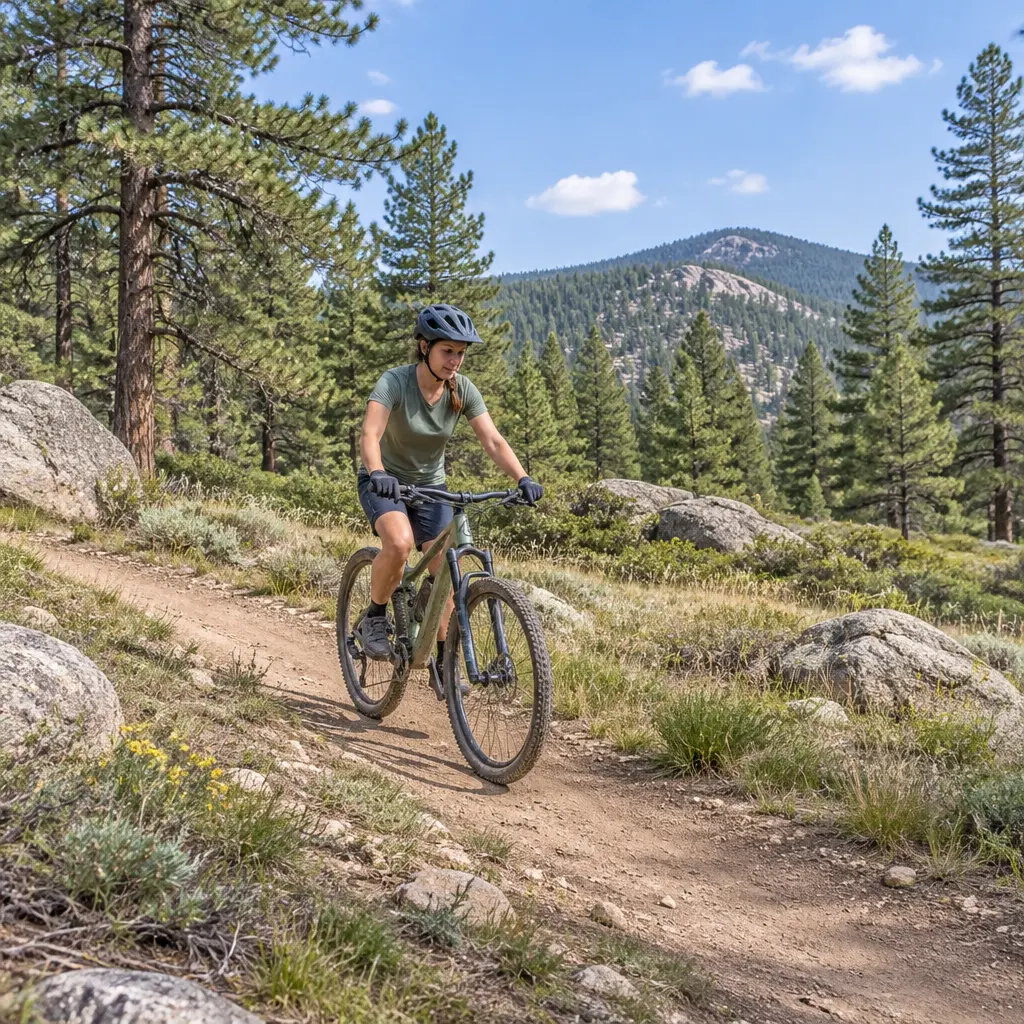
Common Beginner Mistakes on Mountain Bike TrailsCommon Beginner Mistakes on Mountain Bike Trails
Mountain biking beginners often lose control not because trails are impossible, but because they misjudge speed, terrain, braking, body position, or trail etiquette. These mistakes are avoidable: the International Mountain