
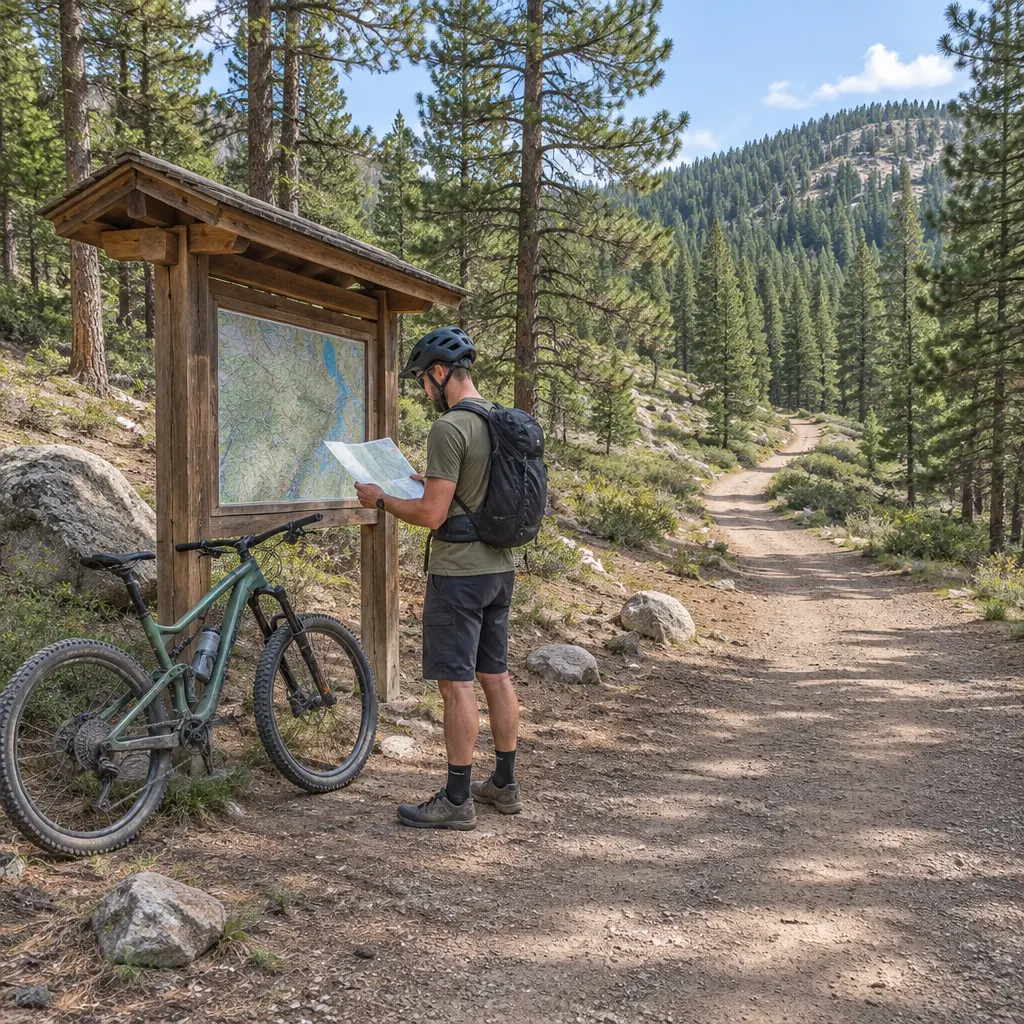
Reading a trail before riding means using maps, signs, terrain, weather, and current local information to judge whether a route suits your abilities and conditions. The International Mountain Bicycling Association
Category: Mountain Bike Trails
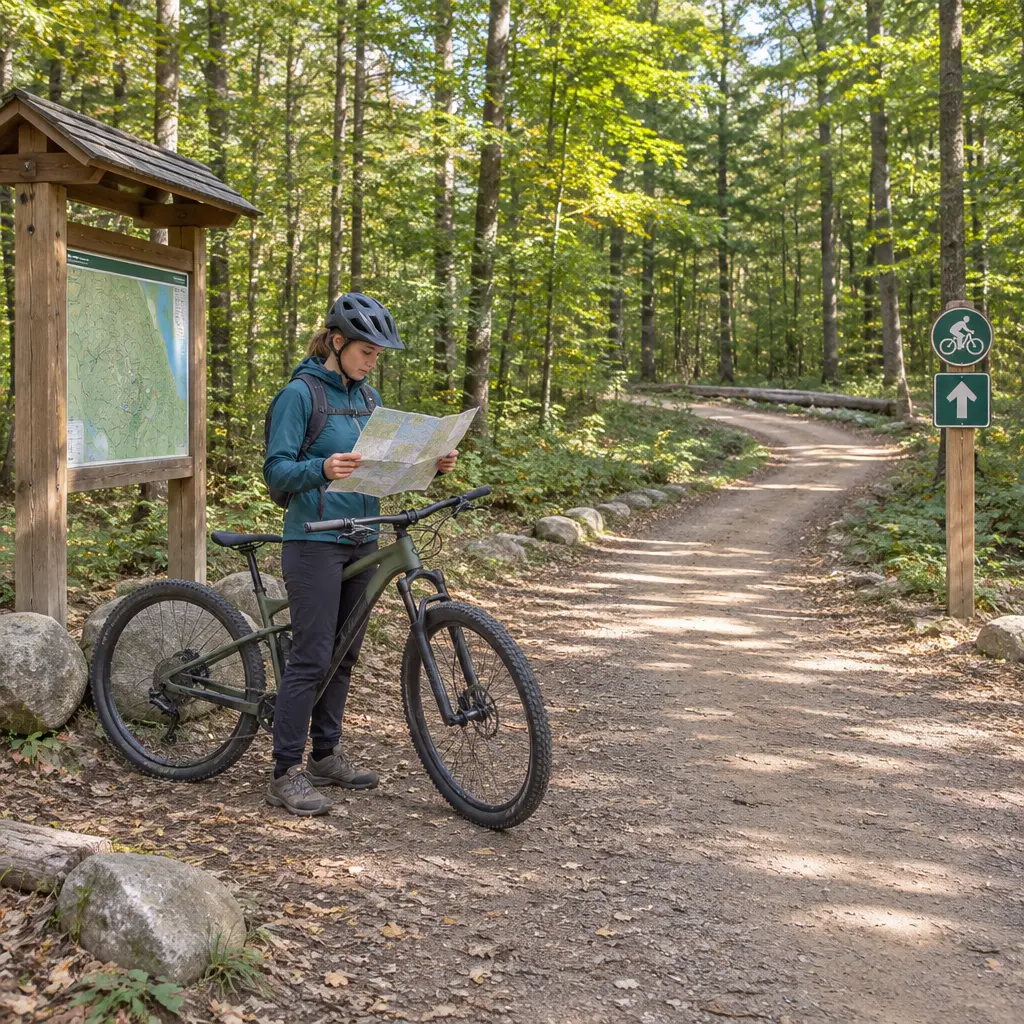
Planning Your First Mountain Bike Trail RidePlanning Your First Mountain Bike Trail Ride
A first mountain bike trail ride is a planned off-road outing on a route suited to your skills, fitness, and equipment. A good first ride is not about covering the
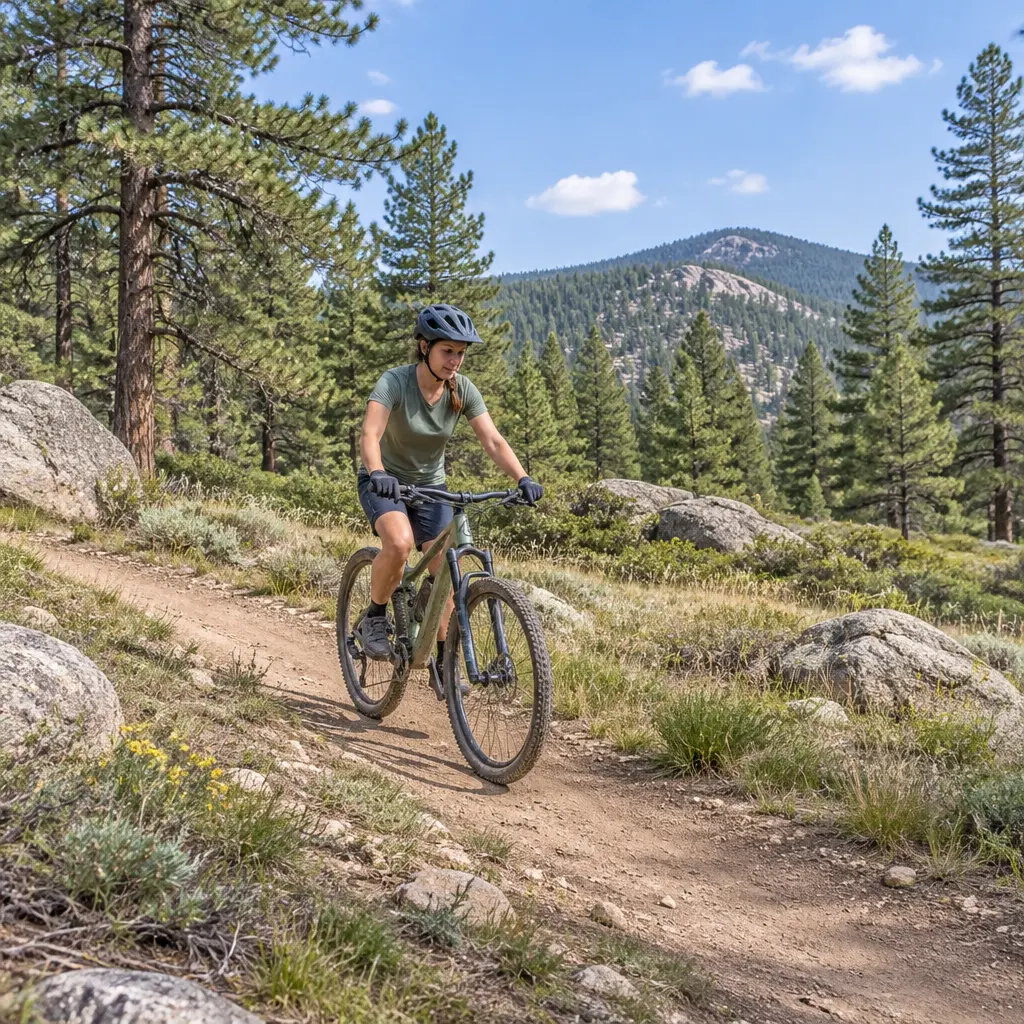
Common Beginner Mistakes on Mountain Bike TrailsCommon Beginner Mistakes on Mountain Bike Trails
Mountain biking beginners often lose control not because trails are impossible, but because they misjudge speed, terrain, braking, body position, or trail etiquette. These mistakes are avoidable: the International Mountain
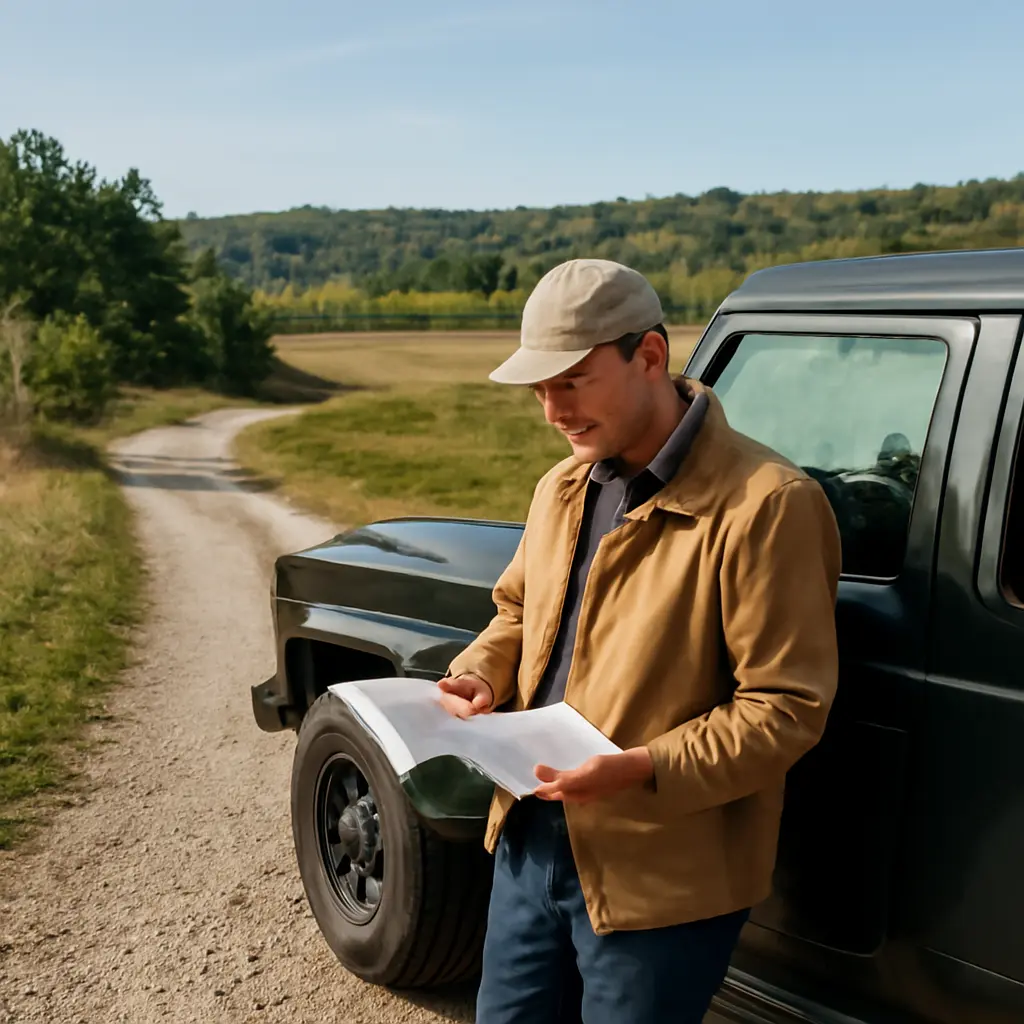
Terrain Got You Stumped? Here’s How Manuals Save Your RideTerrain Got You Stumped? Here’s How Manuals Save Your Ride
Terrain riding can turn a simple trip into a challenge: steep grades, loose surfaces, and repeated braking all demand more from a vehicle and its driver. A vehicle’s owner’s manual
Mountain Biking Etiquette Nobody Talks About Until You Need ItMountain Biking Etiquette Nobody Talks About Until You Need It
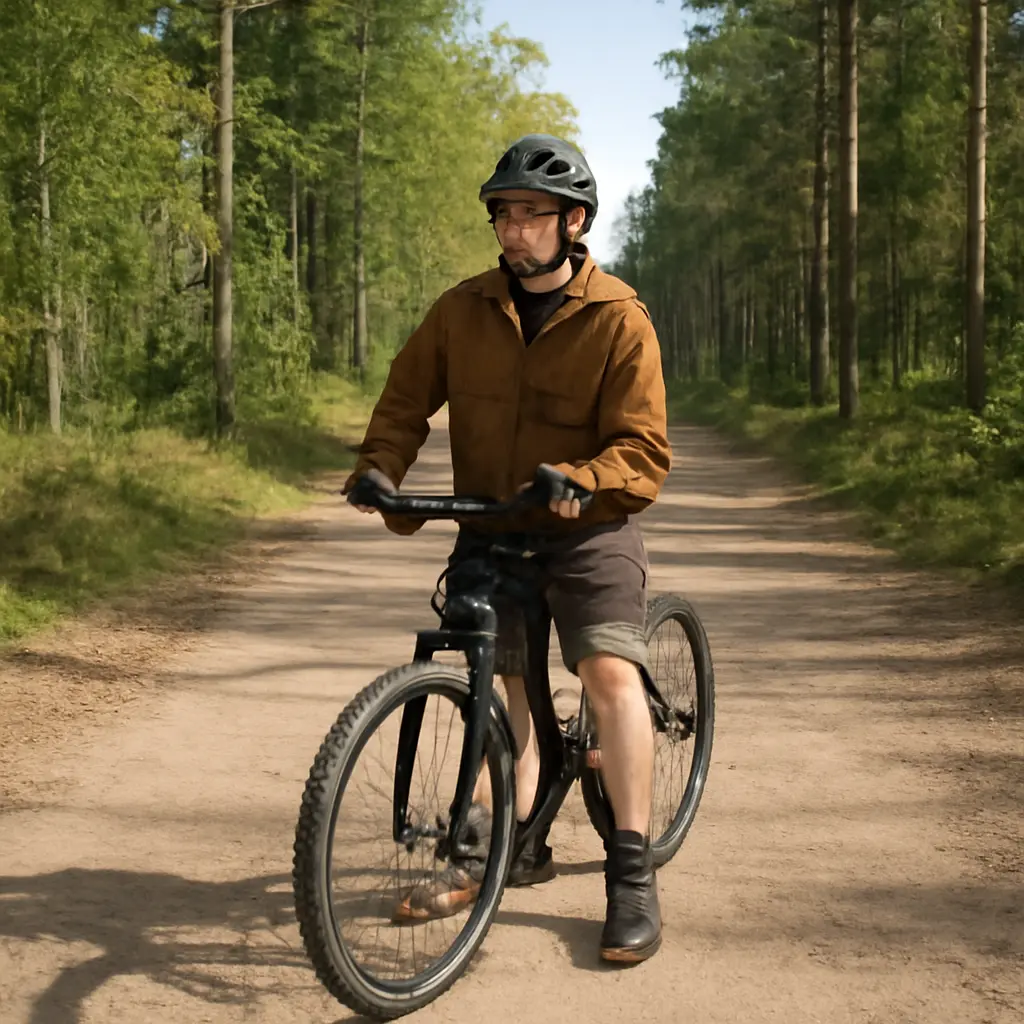
Mountain biking etiquette is the set of shared practices that help trail users pass safely, protect the environment, and keep access open. The essentials are simple: yield appropriately, communicate early,
How trail designers engineer flowy jump sequences that reward speed and momentumHow trail designers engineer flowy jump sequences that reward speed and momentum
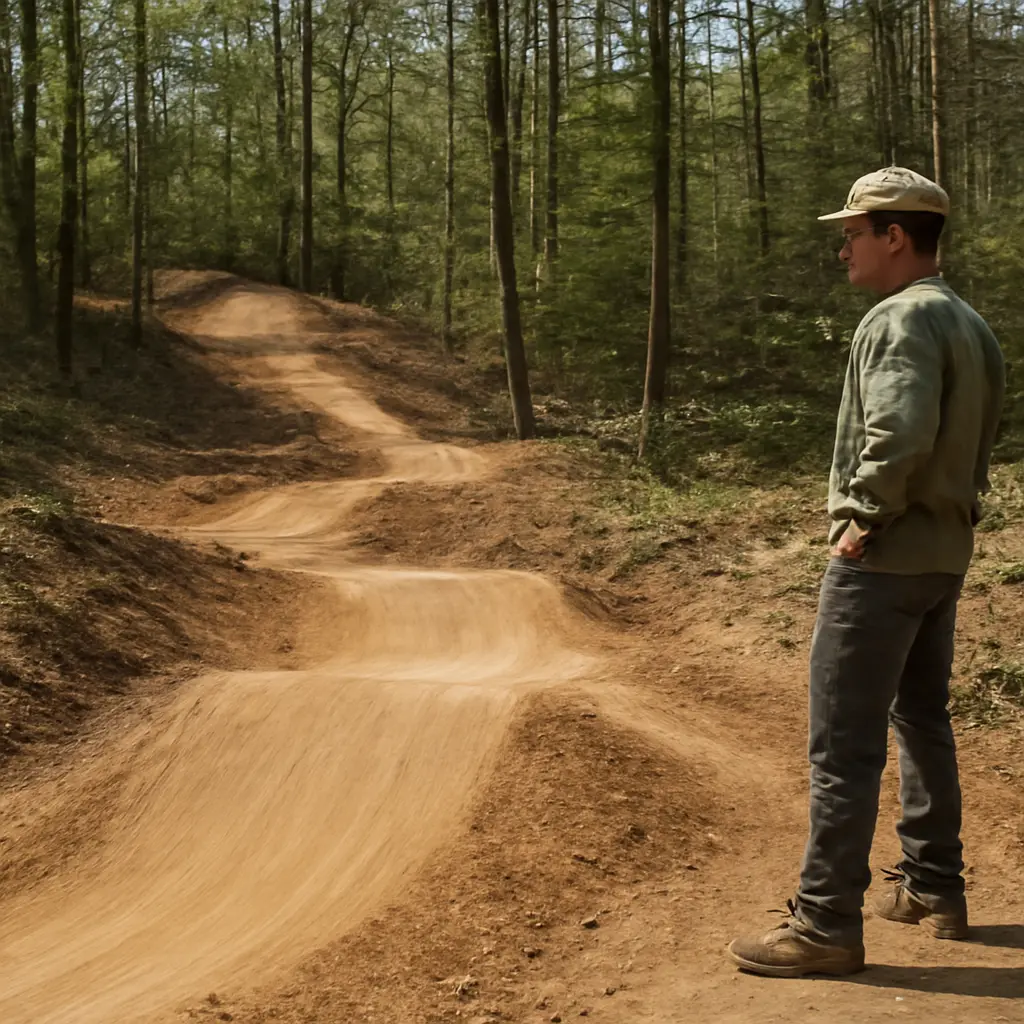
Mountain-bike trail designers create flowy jump sequences by shaping trail grade, jump spacing, takeoffs, and landings so riders can carry speed smoothly from one feature to the next. The goal

Simple Ways To Adapt Quickly To Surprise Obstacles On Technical TrailsSimple Ways To Adapt Quickly To Surprise Obstacles On Technical Trails
Technical trail adaptability is the ability to recognize an unexpected feature, reassess risk, and change speed, line, equipment, or plan before continuing. On a rocky, root-filled, steep, narrow, or wet

How Technical Tracks Test Every Skill You Bring To The TrailHow Technical Tracks Test Every Skill You Bring To The Trail
Technical trail tracks are routes whose steep grades, uneven surfaces, exposure, navigation demands, and changing conditions require more than basic fitness. They test endurance, balance, foot placement, route-finding, risk judgment,

What Makes Trail Center Trails Different From Wild Backcountry RidesWhat Makes Trail Center Trails Different From Wild Backcountry Rides
Trail Center Trails—Managed Design: What Makes Them Different From Wild Backcountry Rides Trail center trails are purpose-built, mapped, and maintained riding routes concentrated around a trailhead or recreation hub, while

The Unwritten Rules Of Trail Etiquette That Earn Respect From OthersThe Unwritten Rules Of Trail Etiquette That Earn Respect From Others
Trail etiquette—shared-use conduct on paths and routes—is the collection of behaviors that helps hikers, runners, cyclists, equestrians, and outdoor workers share limited space safely and courteously. The most respected trail