
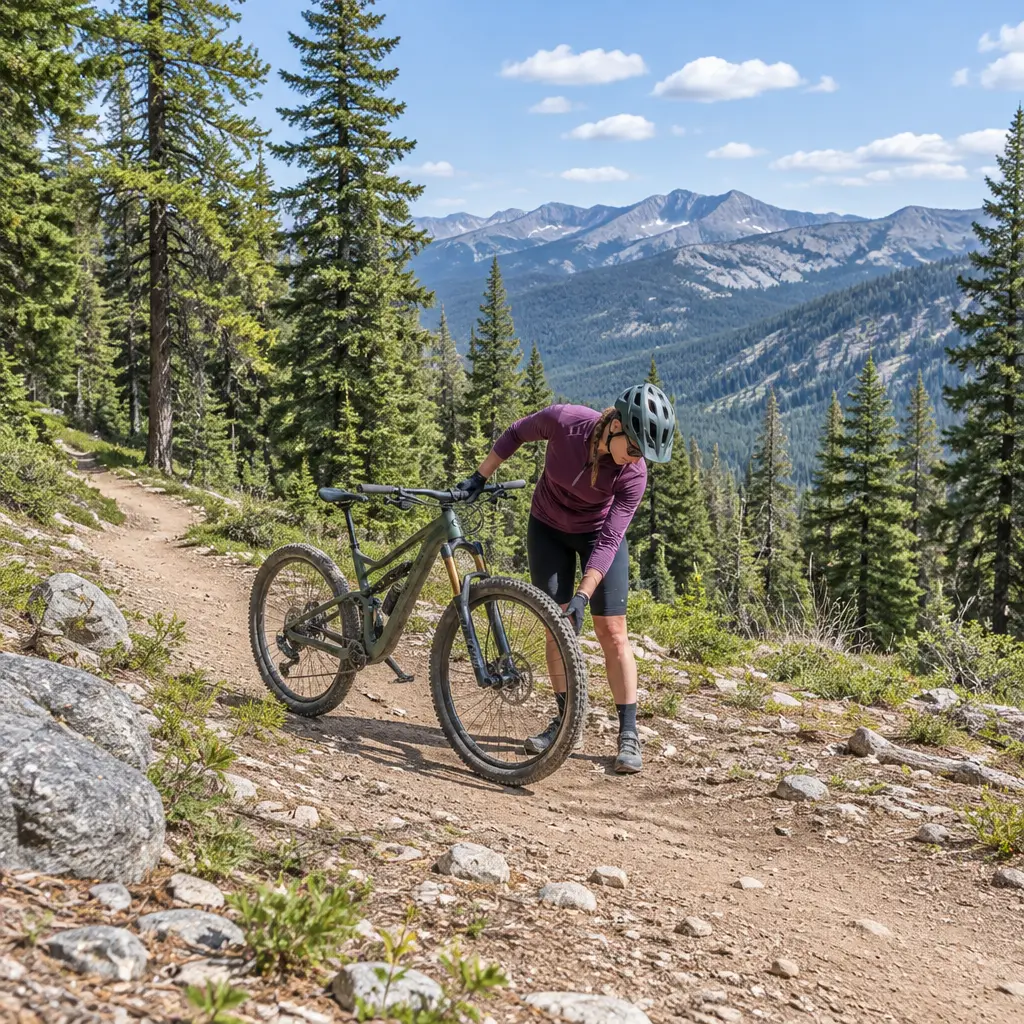
Mountain biking combines off-road cycling with uneven terrain, speed, and frequent changes in balance, so falls and overuse can cause injuries ranging from scrapes to fractures and head trauma. Common mountain bike injuries include cuts and bruises, wrist and shoulder injuries, collarbone fractures, and knee or back pain. A review of mountain-biking injuries published in the Wilderness & Environmental Medicine found that upper-extremity injuries and soft-tissue injuries are prominent in reported cases, while injury patterns vary with riding style and terrain. Wearing a properly fitted helmet, building skills progressively, maintaining the bike, and choosing trails that match your ability can reduce avoidable risks—but no equipment or technique can eliminate them.
Common injuries reveal how mountain bike crashes happen
An injury is physical harm caused by a crash, impact, repetitive strain, or another riding-related event. The International Mountain Bicycling Association (IMBA) promotes risk management through rider preparation, suitable equipment, trail awareness, and decision-making. In practical terms, mountain bike injuries fall into two broad groups: acute injuries, which happen suddenly, and overuse injuries, which develop over time. The distinction matters because avoiding a crash calls for different measures than preventing repetitive pain.
Acute injuries: cuts, bruises, and fractures
Acute injuries follow a specific incident, such as going over the handlebars, slipping on a turn, or striking a tree or rock. Road rash, abrasions, and bruises are common consequences of contact with the ground; more forceful impacts can injure the wrist, shoulder, ribs, or collarbone. A systematic review in Wilderness & Environmental Medicine describes fractures and other upper-limb injuries among recurring mountain-biking injury patterns. The exact likelihood depends on factors such as rider experience, trail conditions, speed, and how injuries are counted, so a single statistic should not be treated as a universal risk for every rider.
Head and facial injuries
Head injuries range from a scalp cut to concussion or a more serious traumatic brain injury. A helmet is intended to reduce the risk and severity of head injury, but it cannot prevent every concussion or protect the face, neck, or body. The U.S. Centers for Disease Control and Prevention (CDC) advises using a properly fitted bicycle helmet that meets recognized safety standards. Replace a helmet after a significant impact, even if damage is not obvious, and seek urgent medical care for loss of consciousness, worsening headache, repeated vomiting, confusion, seizure, or unusual drowsiness after a crash.
Overuse injuries: knee, back, and hand pain
Overuse injuries develop when repeated loading exceeds the body’s ability to recover. Long rides, sudden increases in distance or climbing, poor bike fit, and sustained grip or posture can contribute to knee pain, lower-back discomfort, or numbness and soreness in the hands. These symptoms are not always caused by riding alone, so persistent or worsening pain deserves assessment by a qualified health professional. A gradual training increase, comfortable bike setup, and recovery days help riders spot and address problems before they become entrenched.
Injury prevention depends on preparation, equipment, and judgment
Preventing mountain bike injuries means lowering both the chance of a crash and the consequences if one occurs. IMBA’s trail-safety guidance emphasizes riding within one’s abilities, staying alert, and being prepared for changing trail conditions. These principles connect directly: protective equipment may limit harm in a fall, while skill practice, bike checks, and conservative choices can help prevent the fall in the first place.
Wear a well-fitted helmet and suitable protective gear
A helmet should sit level, cover the forehead, and remain secure when the rider moves their head. Choose one designed for cycling and certified to the applicable safety standard; full-face helmets may provide additional facial coverage for some riding disciplines, but fit and intended use still matter. Gloves, eye protection, and discipline-appropriate knee or elbow pads can help protect against abrasions and impacts. Gear should not create a false sense of security: protective equipment does not make an unfamiliar trail or risky speed safe.
Match trail choice and speed to skill
A trail’s difficulty rating is a guide, not a guarantee that every feature will suit every rider. Before a descent, check conditions and look ahead for loose surfaces, wet roots, blind corners, steep drops, and other hazards. Ride at a speed that leaves room to stop within the visible trail, and get off to inspect a feature when unsure. New riders can build confidence on easier trails, then practice braking, cornering, and body position in a controlled setting before progressing to technical terrain.
Inspect and maintain the bicycle
A pre-ride check can catch mechanical problems that may contribute to a crash. Confirm that the brakes work, tires are appropriately inflated and undamaged, wheels are secure, and the drivetrain and suspension function as intended. The National Highway Traffic Safety Administration recommends checking bicycle brakes, tires, and other components before riding; mountain bikes also benefit from maintenance suited to their suspension and off-road use. Follow the manufacturer’s service schedule and have uncertain or damaged components checked by a qualified mechanic.
Build fitness and skills progressively
Fatigue can impair attention, reaction time, and control, while abrupt increases in riding load can aggravate overuse problems. Increase ride duration and technical difficulty gradually, and include rest and recovery. Practice basic skills—such as controlled braking, looking through turns, and shifting body position—before relying on them on steep or exposed trails. Warm up, carry water and a basic repair kit, and avoid riding when illness, exhaustion, or medication may affect alertness.
Crash response can limit further harm
After a fall, first make the scene safe and check for immediate danger. Do not move a rider with a possible serious neck, back, or head injury unless staying put presents a greater danger. Call emergency services for severe bleeding, suspected fracture, breathing difficulty, loss of consciousness, or concerning head-injury symptoms. For minor injuries, clean and cover wounds, but seek medical advice if a wound is deep, contaminated, or showing signs of infection. When in doubt, stop riding and get assessed rather than trying to “ride through” a potentially serious injury.
Conclusion: safer riding starts before the trail
Mountain bike injuries include acute cuts, bruises, fractures, and head injuries, as well as overuse pain in the knees, back, and hands. The most useful prevention strategy combines a correctly fitted helmet and appropriate protective gear with bike maintenance, progressive skills and fitness, and trail choices that match current ability. Preparation cannot remove all risk, but it can reduce avoidable hazards and improve a rider’s response when something goes wrong. Before your next ride, check your equipment, review the route and conditions, and consider taking a qualified skills or first-aid course.
Sources: U.S. Centers for Disease Control and Prevention, “Bike Safety,” https://www.cdc.gov/heads-up/safety/bike.html; National Highway Traffic Safety Administration, “Bicycle Safety,” https://www.nhtsa.gov/road-safety/bicycle-safety; International Mountain Bicycling Association, “Rules of the Trail,” https://www.imba.com/resource/rules-of-the-trail; International Mountain Bicycling Association, “Mountain Bike Trail Difficulty Ratings,” https://www.imba.com/resource/trail-difficulty-ratings; Wilderness & Environmental Medicine, “Mountain Biking Injuries: A Systematic Review,” https://doi.org/10.1016/j.wem.2016.12.005.


